Mastering Texture and Depth with Procreate Oil Brush 64 Dry Stipple
In the digital art landscape, the gap between traditional media and tablet-based creation has narrowed significantly, yet a distinct disconnect often remains in the tactile experience. Artists frequently struggle to replicate the physical resistance of canvas and the unpredictable behavior of drying paint. This is where specialized tools like the Procreate Oil Brush 64 Dry Stipple become essential assets rather than mere novelties. Designed to mimic the granular, textured application of real-life brush strokes, this tool offers a strategic advantage for creators aiming to produce work that feels organic, grounded, and authentically painterly.
Understanding how to leverage the Procreate Oil Brush 64 Dry Stipple requires more than just technical proficiency; it demands a shift in mindset from digital precision to intentional imperfection. For professionals, educators, and hobbyists alike, integrating this brush into your workflow can enhance branding consistency, improve client communication through richer visual storytelling, and elevate the perceived value of digital commissions.
The Strategic Value of Authentic Texture
Why does texture matter in a medium that is inherently smooth? In marketing and branding, texture conveys emotion and heritage. A flat, vector-style image communicates efficiency and modernity, but a piece created with oil brush strokes suggests craftsmanship, depth, and human touch. When you utilize the Procreate Oil Brush 64 Dry Stipple, you are not just adding noise; you are embedding a narrative of effort and materiality into your work.
This distinction is crucial for entrepreneurs and small business owners who rely on visual content to differentiate themselves. Whether you are designing packaging, creating social media assets, or illustrating educational materials, the choice of brush dictates the viewer’s emotional response. The dry stipple effect, characterized by its broken, granular application of color, evokes the spontaneity of impressionism and the raw energy of abstract painting. It allows the viewer’s eye to fill in the gaps, creating a more engaging and interactive visual experience.
Bridging the Gap Between Digital and Traditional
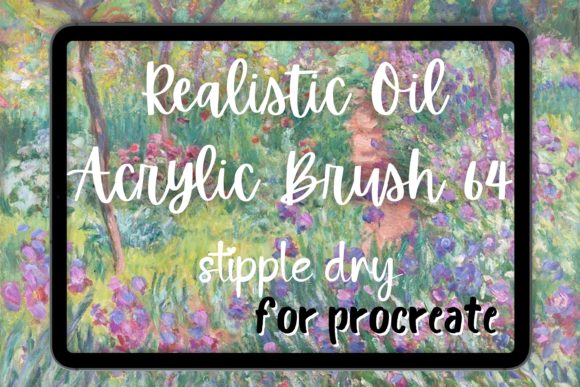
The Procreate Oil Brush 64 Dry Stipple is engineered to simulate the friction of bristles against woven canvas. Unlike standard digital brushes that lay down uniform pixels, this tool responds to pressure and tilt with the unpredictability of dry oil or dry acrylic paint. This realism is vital for artists transitioning from traditional media who find pure digital tools sterile. By providing the sensation of painting with actual pigment, it reduces the cognitive load associated with adapting to a new medium, allowing creators to focus on composition and color theory rather than fighting the software.
For educators and publishers, this bridge is invaluable. Teaching art concepts such as light, shadow, and form becomes more intuitive when the tools behave predictably according to physical laws. Students can grasp the concept of stipple brush techniques—building tone through dots and short marks—more effectively when the digital tool mimics the physical accumulation of paint.
Intentional Application: Planning Your Workflow
To maximize the utility of the Procreate Oil Brush 64 Dry Stipple, one must approach its use with clear goals. Randomly applying texture can lead to visual clutter and muddy compositions. Instead, consider the following strategic approaches:
- Define the Focal Point: Use the dense, textured strokes of the brush to draw attention to key areas of your composition. Keep background elements smoother or less detailed to create depth.
- Layering Strategy: Treat your digital canvas like a physical one. Start with thin washes using a softer brush, then build up structure with the Procreate Oil Brush 64 Dry Stipple. This mimics the "fat over lean" principle in traditional oil painting, ensuring visual stability.
- Color Mixing: Avoid using the eyedropper tool excessively. Instead, blend colors directly on the canvas using the brush’s natural blending capabilities. This creates complex, nuanced hues that reflect the richness of Van Gogh oil techniques.
By planning your layers and stroke direction, you transform the brush from a simple texture generator into a structural tool. This level of intentionality is what separates amateur experiments from professional-grade illustrations.
Risks of Unstructured Use
While the Procreate Oil Brush 64 Dry Stipple offers immense creative potential, relying on it without a clear artistic vision can be detrimental. Overuse of heavy texture can obscure details and make an image difficult to read, particularly in commercial contexts where clarity is paramount. For marketers and designers, this means balancing aesthetic appeal with functional communication.
Another risk is inconsistency. If you are building a brand identity, using highly textured, painterly styles for some assets and clean, flat vectors for others can confuse your audience. Ensure that the use of oil brush strokes aligns with your overall brand voice. If your brand is about precision and technology, a heavy impressionist style may send mixed signals. However, if your brand values creativity, warmth, and artisanal quality, this brush is an ideal choice.
Expanding Your Creative Toolkit
The Procreate Oil Brush 64 Dry Stipple is most effective when viewed as part of a broader ecosystem of tools. It pairs exceptionally well with other brushes in a procreate bundle designed for realistic media. For instance, combining it with a soft gouache brush for base tones and a sharp liner for details creates a dynamic range of textures. This versatility allows artists to tackle various styles, from the thick impasto of Van Gogh brush simulations to the delicate glazes of classical portraiture.
For those interested in abstract painting, the stippling technique offers a way to explore rhythm and movement. By varying the pressure and speed of your strokes, you can create patterns that evoke sound, motion, or emotion. This makes the brush a valuable tool for therapeutic art practices or expressive projects where the process is as important as the outcome.
Practical Tips for Long-Term Results
- Study Traditional Masters: Analyze how artists like Van Gogh or Monet used broken color and visible strokes. Apply these observations to your digital work using the Procreate Oil Brush 64 Dry Stipple.
- Experiment with Canvas Textures: Import custom canvas overlays in Procreate to enhance the interaction between the brush and the surface. This adds another layer of realism to your dry acrylic or oil simulations.
- Limit Your Palette: Restricting your color choices forces you to rely on value and texture to create interest. The stipple brush excels in monochromatic or limited-palette studies, helping you master form without the distraction of complex color mixing.
- Regular Practice: Like any physical skill, mastering the nuances of digital texture requires repetition. Dedicate time to sketching daily, focusing solely on how the brush responds to different angles and pressures.
Making the Right Decision for Your Projects
Ultimately, the decision to incorporate the Procreate Oil Brush 64 Dry Stipple into your workflow should be driven by your specific goals. Are you aiming to evoke nostalgia? Do you need to convey the warmth of handcrafted goods? Or are you simply seeking to expand your technical repertoire? Answering these questions will help you determine when and how to use this tool effectively.
For freelancers and consultants, offering a unique stylistic signature can be a competitive advantage. Developing a distinctive look using specialized brushes like the Procreate Oil Brush 64 Dry Stipple can help you stand out in a saturated market. Clients often seek artists who bring a specific aesthetic vision, and mastery of realistic textures is a highly sought-after skill.
In conclusion, the Procreate Oil Brush 64 Dry Stipple is more than a digital imitation; it is a conduit for expressive, tactile creativity. By understanding its mechanics, planning its application, and aligning its use with strategic objectives, you can elevate your digital art to new heights. Whether you are creating for commerce, education, or personal fulfillment, this tool empowers you to bridge the divide between the screen and the canvas, resulting in work that resonates with authenticity and depth.