Mastering Vector Brush Strokes for Professional Digital Design
In the rapidly evolving landscape of digital creation, the demand for high-quality, versatile design assets has never been higher. Whether you are a seasoned graphic designer, a small business owner launching a custom apparel line, or a hobbyist exploring the world of crafting, the tools you choose define the quality of your final product. Among these essential resources, Vector Brush Strokes have emerged as a fundamental component for achieving professional-grade aesthetics with efficiency and precision. This article explores the practical applications, technical specifications, and creative potential of these digital assets, providing a comprehensive guide for creators looking to elevate their projects.
Understanding the Digital Asset Package
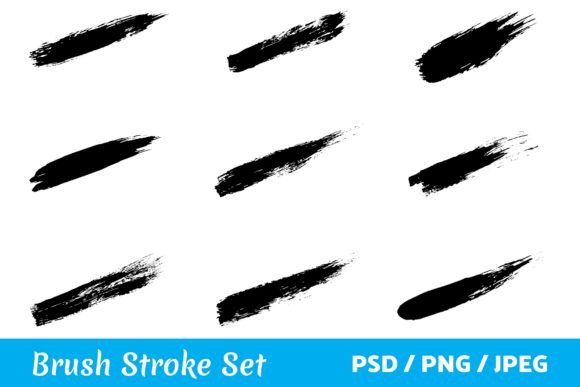
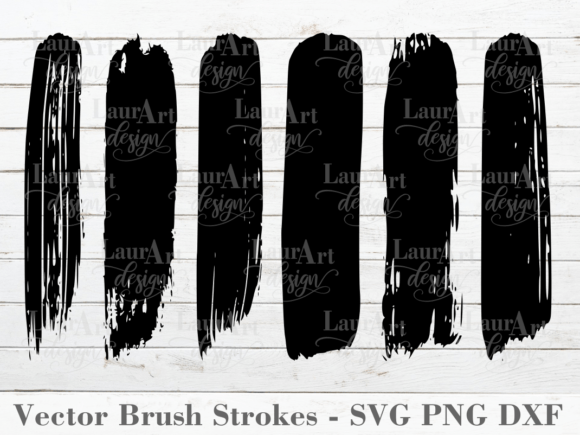
When you acquire a set of Vector Brush Strokes, you are not merely downloading a single image file; you are investing in a comprehensive toolkit designed for maximum compatibility across various software platforms. A typical high-quality digital item includes a ZIP folder containing eight distinct files, carefully curated to meet the needs of different workflows. Understanding what is inside this package is the first step toward utilizing these assets effectively.
The core of this collection usually consists of:
- 1 SVG File: Scalable Vector Graphics, the gold standard for vector editing.
- 1 DXF File: Drawing Exchange Format, essential for specific cutting machine software.
- 6 PNG Files: Portable Network Graphics with transparent backgrounds, ready for immediate use in raster-based programs.
This diversity ensures that regardless of your preferred software—be it Cricut Design Space, Silhouette Studio, Adobe Illustrator, Corel Draw, or even Microsoft Office—you have a file format that integrates seamlessly into your workflow. The inclusion of both vector and raster formats bridges the gap between industrial manufacturing processes like cutting and sublimation, and everyday printing tasks.
The Power of Vector Formats: SVG and DXF
For creators involved in physical production, such as making decals, stickers, or heat transfers, the vector files (SVG and DXF) are indispensable. Unlike raster images, which are made of pixels, vectors are composed of mathematical paths. This means they can be scaled to any size without losing clarity or becoming pixelated.
SVG: The Universal Standard
The SVG file included in your Vector Brush Strokes package is compatible with most modern vector editing programs. Software such as Cricut Design Space, Silhouette Designer Edition, ScanNCut, Corel Draw, and Inkscape can read these files natively. This compatibility allows for precise control over the design. You can adjust the thickness of the brush stroke, change colors instantly, and manipulate individual nodes if necessary. For businesses using cutting machines, the SVG format ensures that the cut lines are clean and accurate, reducing material waste and improving the professionalism of the final product.
DXF: Specialized Compatibility
The DXF file serves a specific but crucial role, particularly for users of Silhouette Studio. While newer versions of some software have expanded SVG support, DXF remains a reliable format for older systems or specific industrial cutters. It ensures that the geometric data of the brush strokes is preserved, allowing for exact replication of the design’s shape during the cutting process.
Leveraging Raster Images: The Versatility of PNGs
While vectors are king for cutting, raster images reign supreme for printing and digital composition. The six PNG files provided in the Vector Brush Strokes collection offer immediate usability for a wide range of applications. These files feature transparent backgrounds, a critical feature that allows designers to layer the brush strokes over other images, textures, or colored backgrounds without unsightly white boxes surrounding the design.
PNGs are ideal for use in:
- Microsoft Office Programs: Quickly enhance presentations, flyers, or documents with professional artistic elements.
- Adobe Photoshop: Use the brush strokes as overlays, masks, or compositional elements in complex photo edits.
- Sublimation Techniques: Print directly onto specialty paper for transfer onto mugs, shirts, and other substrates.
- Cricut Print and Cut: Combine the visual appeal of a printed image with the precision of a cut outline.
The transparency of these PNGs saves significant time in post-production. Instead of manually removing backgrounds—a task that can be tedious and imperfect—creators can drag and drop these assets directly into their projects, knowing they will integrate cleanly.
Real-World Applications and End Products
The true value of Vector Brush Strokes is realized in the tangible products they help create. These assets are not just abstract designs; they are functional components of commercial and personal projects. Here is how different industries and hobbyists can leverage these files:
Apparel and Textile Design
One of the most popular uses for these files is in the creation of custom apparel. T-shirts, onesies, hoodies, and tank tops can be transformed with unique, artistic brush stroke designs. When using the vector files for heat transfer vinyl (HTV), the result is a durable, professional-looking graphic that withstands washing and wear. For sublimation printing, the PNG files allow for full-color, detailed designs that penetrate the fabric fibers, resulting in vibrant, long-lasting images on polyester-based garments.
Home Decor and Accessories
Beyond clothing, these digital items are perfect for home decor. Pillowcases, tumblers, and tote bags can be personalized with elegant brush strokes. The scalability of the SVG files means you can create a small decal for a water bottle or a large statement piece for a wall mural using the same source file. Stickers and decals produced from these vectors add a touch of sophistication to laptops, planners, and journals.
Paper Goods and Marketing Materials
For those focused on print media, the raster PNG files are invaluable. They can be used to design posters, greeting cards, gift tags, and business cards. The artistic nature of brush strokes adds a human, handcrafted feel to digital prints, which can help brands stand out in a crowded marketplace. Whether you are printing on regular paper, high-gloss sticker paper, or fabric, the high resolution of the provided PNGs ensures crisp, clear output.
Evaluating Suitability for Your Projects
Before integrating Vector Brush Strokes into your workflow, it is important to assess your specific needs. Consider the following factors:
- End Use: If you are cutting vinyl or cardstock, prioritize the SVG and DXF files. If you are printing directly onto paper or fabric, the PNG files will be your primary resource.
- Software Compatibility: Ensure your design software supports the file formats provided. Most modern creative suites handle all three formats, but checking system requirements can prevent frustration.
- Customization Needs: If you plan to alter the shape or color of the brush strokes extensively, vector files are superior. If you need a quick, ready-to-use graphic, the PNGs offer speed and convenience.
It is also worth noting the limitations. While vector files are infinitely scalable, they do not contain photographic detail. Conversely, while PNGs can display complex color gradients, they cannot be scaled up indefinitely without loss of quality. Understanding these distinctions allows you to choose the right file for the right job, ensuring optimal results.
Conclusion: Enhancing Creativity with Digital Precision
In conclusion, Vector Brush Strokes represent a versatile and powerful resource for today’s digital creators. By providing a mix of SVG, DXF, and PNG files, these digital items cater to a broad spectrum of design needs, from industrial cutting applications to casual home printing. They empower users to produce high-quality, professional-looking products such as apparel, home decor, and marketing materials with ease.
Whether you are a business owner looking to streamline your production process or a creator seeking to add a unique artistic touch to your projects, understanding how to leverage these files is key. By choosing the appropriate format for your specific software and end product, you can maximize the value of your digital assets and bring your creative visions to life with precision and style. Embrace the flexibility of these tools, and let your creativity flow without technical barriers.