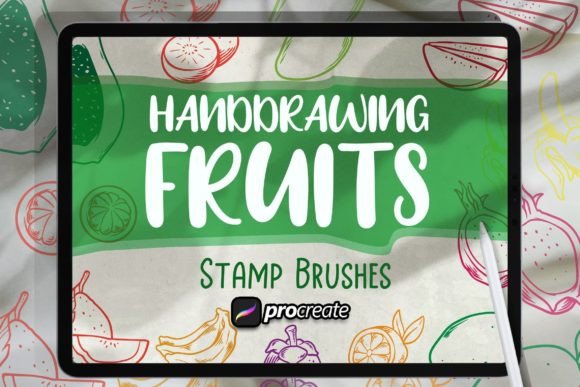
Hand Drawing Fruits Brush: Vintage Design
In an era dominated by sleek, minimalist digital aesthetics, there is a profound resurgence of interest in textures that feel human, tactile, and historically grounded. The Hand Drawing Fruits Brush represents more than just a collection of clip art; it is a gateway to a specific design language that communicates authenticity, craftsmanship, and organic quality. This set, featuring ten distinct vintage images available in both AI and EPS formats, offers designers and creators a versatile toolkit for adding a sophisticated, retro touch to modern projects.
Whether you are a branding specialist looking to differentiate a product line or a hobbyist creating personalized stationery, understanding how to leverage these engraved-style illustrations can elevate your work from generic to memorable. The key lies not just in using the images, but in integrating them thoughtfully into a broader visual narrative.
The Appeal of Vintage Engraving Styles
Vintage engraving, often reminiscent of 19th-century botanical illustrations or old agricultural almanacs, carries an inherent sense of authority and tradition. When we look at a hand-drawn fruit rendered in this style, we do not just see an apple or a pear; we see a connection to heritage, farming, and natural origins. This psychological association is powerful for marketers and entrepreneurs.
The Hand Drawing Fruits Brush captures this aesthetic with precision. Because the files are provided in vector formats (AI and EPS), they maintain crisp lines at any scale. This technical flexibility is crucial. Unlike raster images that pixelate when enlarged, these vectors allow you to print a tiny lemon on a business card or blow up a detailed peach for a storefront window display without losing clarity. The stylistic choice of "stylish engravings" suggests a level of detail that invites closer inspection, encouraging viewers to linger on your design.
Practical Applications for Branding and Identity
For small business owners and freelancers, branding is about storytelling. If you are launching a product line that emphasizes natural ingredients, artisanal methods, or historical roots, these illustrations serve as immediate visual shorthand. Consider a local jam maker or a craft brewery specializing in fruit-infused beers. Using a standard, colorful cartoon fruit might suggest sweetness but lacks sophistication. In contrast, using a monochrome, engraved fruit from this brush set suggests complexity and quality.
- Logo Design: Isolate a single fruit element to create a distinctive mark. The intricate lines work well in black and white, ensuring the logo remains legible even when faxed, stamped, or embroidered on fabric.
- Packaging Labels: Wrap these illustrations around glass jars or bottle labels. The vintage style pairs exceptionally well with kraft paper textures, muted earth tones, and serif typography.
- Brand Patterns: Repeat the ten images to create a seamless background pattern for tissue paper, shopping bags, or website backgrounds. This creates a cohesive brand environment rather than just a standalone logo.
The versatility of the Hand Drawing Fruits Brush allows for adaptation across various industries. A high-end skincare brand using fruit extracts can use these images to convey purity and botanical science. A wedding invitation designer might use them to add a rustic, organic feel to save-the-date cards for an autumn harvest-themed wedding.
Creative Techniques for Digital and Print Media
While the images are ready to use out of the box, creative professionals often find value in manipulating these assets to suit specific project needs. Since the files are editable vectors, you are not limited to their original appearance. You can adjust stroke weights, change colors, or combine elements to create new compositions.
One effective approach is selective coloring. Keep the intricate engraving lines in black or dark gray, but fill the fruit shape with a soft, muted pastel or a bold, modern accent color. This technique bridges the gap between vintage charm and contemporary design trends, making the illustration feel fresh rather than dusty. It works particularly well for social media graphics, blog headers, and digital advertisements where eye-catching contrast is necessary.
Another technique is layering and texture. Overlay these clean vector lines onto textured backgrounds such as watercolor paper, linen, or distressed wood. The contrast between the precise, mathematical perfection of the vector lines and the organic irregularity of the background texture creates visual interest and depth. This method is highly effective for print materials like brochures, menus, and posters, where tactile qualities can be simulated visually.
Tailoring Content for Different Audiences
Different users will extract different values from the same asset pack. Educators and publishers might use these illustrations to create engaging, visually appealing worksheets or textbook diagrams that break the monotony of stock photography. The clear, defined lines make them excellent for coloring books or educational activities focused on botany or nutrition.
For bloggers and content creators, these images provide a consistent visual identity. Instead of searching for disparate stock photos that may clash in style, using a unified set of illustrations ensures that your Pinterest pins, Instagram posts, and article headers look like they belong to the same family. This consistency builds brand recognition over time. When a follower sees that specific engraving style, they immediately associate it with your content.
Entrepreneurs in the food and beverage sector can use these images to highlight specific flavor profiles. If you are selling a citrus-infused product, featuring the lemon or orange from the set prominently on your packaging signals the flavor instantly, without relying solely on text. This is particularly useful in international markets where language barriers might exist; visual cues transcend language.
Maintaining Consistency and Quality
To ensure your designs remain professional and effective, it is important to use these assets with intention. Avoid cluttering your composition. Vintage engravings are detailed by nature; if you place too many of them close together, the result can look busy and confusing. Use white space generously to let each illustration breathe. This minimalist approach highlights the intricacy of the drawing and maintains a clean, modern layout.
Consistency in application is also key. If you choose to use the Hand Drawing Fruits Brush for your primary branding, stick with that style across all touchpoints. Do not mix these engraved fruits with cartoonish icons or hyper-realistic photographs in the same primary visual hierarchy. Such mixing can dilute the brand message and create a disjointed user experience. If you must combine styles, do so deliberately, perhaps using the vintage fruit as a secondary decorative element while keeping primary information clear and modern.
Furthermore, consider the color palette carefully. Vintage aesthetics often pair well with desaturated colors, deep greens, burgundies, navy blues, and warm creams. Bright, neon colors can clash with the historical feel of the engraving unless you are aiming for a specific pop-art juxtaposition. Test your designs in grayscale first to ensure the contrast and balance work without relying on color to carry the composition.
Final Thoughts on Creative Utility
The value of a resource like the Hand Drawing Fruits Brush lies in its ability to save time while providing high-quality, specialized assets. Creating custom vintage engravings from scratch requires significant artistic skill and hours of labor. Having a pre-made set of ten versatile, vector-based images allows creators to bypass the initial drafting phase and move straight to composition and implementation.
By understanding the historical context of the style, leveraging the technical benefits of vector files, and applying thoughtful design principles, you can transform these simple illustrations into powerful tools for communication. Whether you are building a brand from the ground up or adding a finishing touch to a personal project, these hand-drawn fruits offer a blend of nostalgia and elegance that resonates with modern audiences seeking authenticity in a digital world.